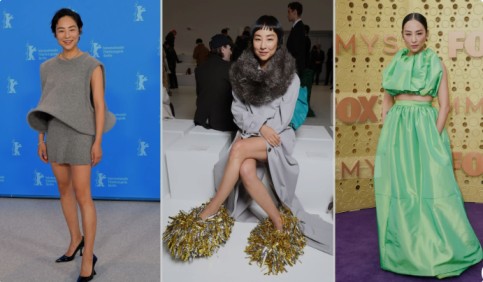
Greta Lee has become one of the most exciting and distinctive voices in modern cinema. Known for her acclaimed performance in Past Lives (2023), the actress has quickly carved a path that blends vulnerability, authenticity, and a commitment to stories that resonate on a human level. Now, as she continues to rise in Hollywood, Lee is opening up about how she found her voice and why independent storytelling plays a central role in building both artistic integrity and community.
Her career path illustrates a shift happening across Hollywood — one where actors are not only seeking compelling roles but also demanding space for diverse voices and inclusive narratives. For Lee, the power of indie filmmaking lies in its ability to connect deeply with audiences while creating space for collaboration and authenticity.
Supporting Roles to Leading Lady
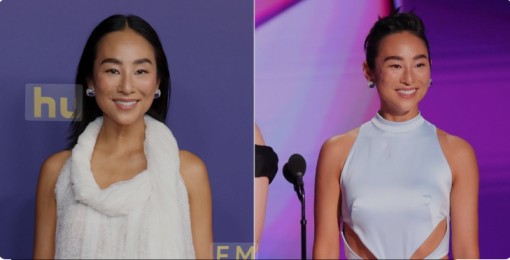
Greta Lee’s journey to prominence has been steady and intentional. For years, she worked in television and film in smaller roles, gaining recognition on shows like Girls, Russian Doll, and The Morning Show. Each performance was a stepping stone, revealing her versatility and unique screen presence.
But it was Past Lives, Celine Song’s quiet, profound romance drama, that elevated her to the next level. As Nora, a woman navigating love, identity, and fate, Lee brought nuance and emotional honesty that resonated across audiences worldwide. The film was not just a critical success but also a cultural moment, sparking conversations about immigration, memory, and the bittersweet nature of human connection.
Finding Her Voice
Lee has spoken openly about the challenges of finding her place in an industry that has historically limited roles for Asian American women. Early in her career, she was often offered stereotypical parts that failed to reflect her abilities or experiences.
Over time, Lee developed a stronger sense of self and artistic purpose, allowing her to choose projects that aligned with her values. She credits this shift to embracing her identity and rejecting the notion that she needed to fit into Hollywood’s narrow definitions of success.
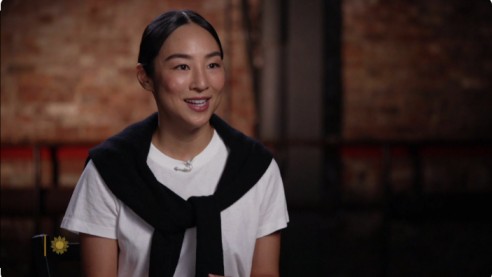
“Finding my voice was about realizing that authenticity has power,” she shared in a recent interview. “When you bring your whole self to the work, it resonates with others in ways you can’t predict.”
Indie Storytelling as a Community
For Lee, independent cinema represents a form of community-building. Unlike large studio productions that can sometimes prioritize marketability over meaning, indie films often thrive on collaboration, shared passion, and creative risk-taking.
Working on Past Lives reaffirmed her belief in this approach. The film, which debuted at Sundance, was made with a small, dedicated team — something Lee has described as “intimate, raw, and profoundly human.” That environment allowed her to bring emotional honesty to her role while also fostering deep connections with her fellow cast and crew.
She views indie storytelling not just as a career path but as a means to nurture relationships and amplify underrepresented voices. By prioritizing community over hierarchy, independent films often create safer, more inclusive spaces for exploration.
The Cultural Impact of Past Lives
The success of Past Lives highlighted the growing appetite for stories outside traditional Hollywood formulas. Audiences praised its subtle yet powerful exploration of love, fate, and cultural displacement. Lee’s performance, in particular, became a focal point of the conversation, with critics describing it as one of the most moving of the year.
For many viewers, the film served as a mirror for their own experiences of migration, memory, and longing. Lee’s ability to carry those themes with grace and authenticity further solidified her as a talent to watch.
Advocating for Representation
Greta Lee’s rise also intersects with broader movements for diversity and representation in Hollywood. She has been vocal about the need for more nuanced portrayals of Asian American characters and stories.
Her work isn’t just about securing roles for herself — it’s about paving the way for others. Lee has stressed that visibility matters, especially for younger generations who need to see themselves reflected in media. Her journey serves as both inspiration and evidence that storytelling can be a powerful tool for cultural change.
Next for Greta Lee?
While Past Lives was a breakthrough moment, it is only the beginning of what looks to be a long and influential career. Lee is expected to continue exploring roles that blend emotional depth with social relevance. She has hinted at interest in collaborating with more independent filmmakers, as well as potentially working behind the camera in the future.
Her ability to navigate between indie cinema and larger projects also positions her as a bridge between worlds. Whether leading a quiet drama or appearing in a high-profile series, Lee brings the same authenticity that has made her such a compelling presence.
FAQs
1. Who is Greta Lee?
Greta Lee is an American actress best known for her breakout role in Past Lives (2023) and her work in Russian Doll and The Morning Show.
2. What role made her a household name?
Her role as Nora in Past Lives brought her widespread critical acclaim and global recognition.
3. How does she view independent storytelling?
She sees indie filmmaking as a form of community-building that emphasizes collaboration, authenticity, and representation.
4. Why is representation important to Greta Lee?
She believes that authentic portrayals of diverse characters can reshape cultural narratives and inspire future generations.
5. What other projects has Greta Lee been part of?
She has appeared in TV shows like Girls, Russian Doll, and The Morning Show.
6. Has she received awards for her work?
While Past Lives brought her major critical recognition, she is also part of an ensemble cast that has been nominated for various awards.
7. What’s next in Greta Lee’s career?
She plans to continue balancing indie projects with larger productions, potentially expanding into new creative roles such as producing or directing.